Review: Christmas Highland Cow Distressed Sublim for Holiday Stitching
As a designer who spends more time staring at stitch maps than most people spend watching television, I approach every new machine embroidery design with a mix of excitement and skepticism. We all know the feeling: you see a cute graphic online, buy the digital embroidery file, and then realize halfway through stitching that the density is all wrong or the details are too tiny for the intended fabric. That is why I took a close look at the Christmas Highland Cow Distressed Sublim before committing it to a client project. This isn't just a review of a pretty picture; it is an evaluation of how this specific illustration translates into thread, stabilizer, and fabric for real-world applications.
First Impressions and Visual Personality
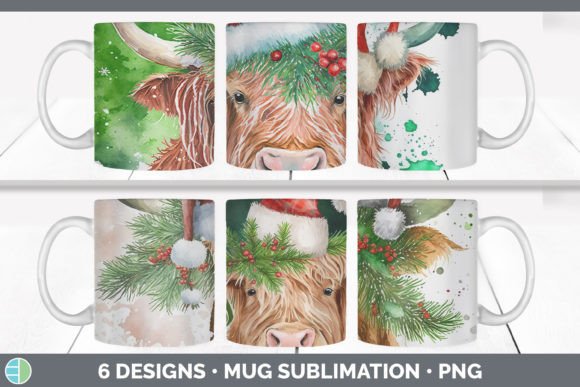
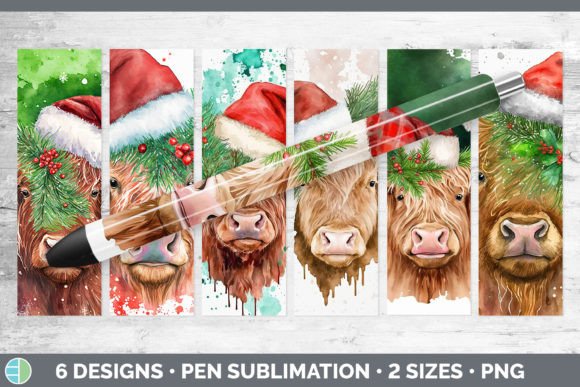
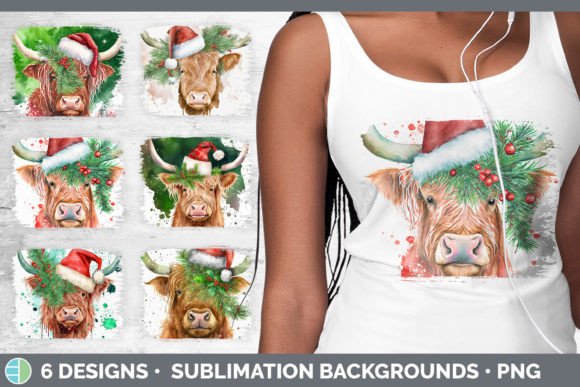
The first thing that strikes me about the Christmas Highland Cow Distressed Sublim is its mood. In the world of Illustrations, "distressed" can sometimes mean messy or low-resolution, but here it reads as intentional texture. It gives the design a vintage, worn-in feel that is incredibly popular in current boutique trends. The highland cow motif itself is already a staple in the craft community, known for its shaggy charm and friendly demeanor. Adding the Christmas element—likely antlers adorned with lights or a festive scarf—elevates it from a generic animal design to a seasonal statement piece.
From a layout perspective, the design feels balanced. The distressed effect often breaks up large areas of solid color, which is a massive win for embroidery. Solid blocks of color in a fill stitch can sometimes look heavy or plastic-like on fabric, but the textured approach of this design allows the fabric grain to peek through slightly, creating a more organic, handmade look. This visual personality suggests it belongs on items that benefit from a cozy, rustic aesthetic rather than sleek, corporate branding.
Real-World Application: The Holiday Tote Scenario
To truly test the viability of this design, I imagined a specific real-life scenario: preparing a run of custom embroidered tote bags for a local holiday market. Tote bags are tricky; they are often made of canvas or heavy cotton twill, which has a distinct weave. If a design is too dense, the fabric puckers. If it is too light, the background shows through awkwardly.
The Christmas Highland Cow Distressed Sublim shines in this context. Because of the broken-up texture inherent in the distressed style, the stitch density is likely more forgiving on heavier fabrics like canvas. When stitched out, the design would sit comfortably on the front of a natural-colored tote, perhaps using earthy thread colors like deep greens, burnt oranges, and creamy whites to match the cow's fur and the holiday theme. The result would be a handmade product that looks professional yet approachable, exactly what customers want when buying a personalized gift or a unique shopper for their holiday errands.
Beyond totes, I can see this working beautifully as sweatshirt embroidery. The soft, slightly irregular edges of a distressed design complement the fuzzy texture of fleece or French terry cloth perfectly. A standard smooth vector graphic can sometimes look out of place on a cozy sweatshirt, but this design feels like it was born for it. It would also make an adorable baby embroidery project for a onesie, provided the scale is adjusted correctly so the details don't get lost in the small hoop area.
Technical Considerations and Fabric Challenges
However, no design is without its challenges, and a critical reviewer must point out where caution is needed. The "distressed" nature of the Christmas Highland Cow Distressed Sublim means there are likely many small, isolated stitch islands. On stable fabrics like denim or canvas, this is fine. But if you are attempting this on a stretchy knit, a thin rayon, or a textured towel, you need to be very careful.
Small details in a distressed design can easily get swallowed by the loops of a terry cloth kitchen towel or distort on a stretchy cap. If you plan to use this for custom apparel made of jersey knit, a high-quality cut-away stabilizer is non-negotiable. You might even consider a water-soluble topper to keep the stitches from sinking into the fabric pile. Furthermore, curved surfaces like baseball caps require extra attention. The distortion caused by the curve of the cap can warp the delicate edges of the distressed effect, potentially making the cow look misshapen. For hats, I would recommend testing a sample run first to ensure the hoop size and framing technique maintain the design's integrity.
Another factor to consider is the contrast. Since this is a sublimation-style illustration adapted for embroidery, it may rely on subtle shading. In thread, we don't have millions of colors; we have spools. You will need to carefully map the thread colors to ensure the distressed effect doesn't turn into a muddy mess. Testing the design in black and white mockups before stitching can help you judge the contrast levels and decide if you need to simplify the color palette for better stitching clarity.
Value for Craft Businesses and Etsy Sellers
For the Etsy seller or small shop owner, the choice of design assets directly impacts brand perception. Using a trendy, well-executed design like the Christmas Highland Cow Distressed Sublim can significantly boost the perceived value of your finished product. It signals to the buyer that you are current with design trends and care about the aesthetic of your goods. This design fits perfectly into the "farmhouse chic" or "rustic holiday" niches that dominate social media during the winter season.
When used in commercial embroidery projects, consistency is key. Because the distressed style hides minor imperfections better than a crisp, solid satin border, it can be a forgiving choice for production runs where slight variations occur. This helps maintain brand consistency across multiple items, whether you are making a batch of aprons for a bakery or pillow covers for a home decor line. The visual appeal of the highland cow draws the eye, increasing buyer engagement on product listings and printable mockups.
Practical Designer Notes for Success
Before you dive into your next embroidery project with this file, here are a few practical steps I recommend based on my experience:
- Test on Scrap Fabric: Always stitch a sample on the exact same fabric and stabilizer combination you plan to use for the final item. This is crucial for checking how the distressed details hold up.
- Check Thread Contrast: Ensure your chosen thread colors provide enough separation between the cow, the Christmas elements, and the background fabric.
- Review Stitch Density: If the design feels too stiff after stitching, consider reducing the density in your software, especially for wearable items.
- Verify Licensing: Before selling finished items or digital products featuring this design, confirm the license terms. Some files are for personal use only, while others allow commercial sales.
- Inspect Small Details: Zoom in on the digitized file to check for tiny running stitches that might break or pull out over time, especially on items that will be frequently washed.
In conclusion, the Christmas Highland Cow Distressed Sublim is a strong contender for holiday collections. Its blend of trending subject matter and textured execution makes it versatile for everything from embroidered patches to large wall hangings. While it requires thoughtful fabric selection and stabilization, the resulting handmade presentation offers a level of charm and professionalism that customers love. By understanding its strengths and limitations, you can leverage this design to create standout products that resonate with your audience.