Review: Christmas Dog Wind Spinner Sublimation for Embroidery
As a designer who spends more time staring at stitch maps than most people spend looking at their own families, I approach every new digital embroidery file with a healthy dose of skepticism. We've all been there: you buy a cute graphic online, load it into your software, and realize the density is a nightmare or the details are too fine for anything but a display piece. That's why I took a close look at the Christmas Dog Wind Spinner Sublimation design not just as a pretty picture, but as a potential candidate for real-world machine embroidery design projects. While this asset originates in the world of sublimation and Illustrations, its application in the stitching world requires a critical eye to ensure it translates from screen to fabric without losing its charm.
First Impressions: Mood and Visual Personality
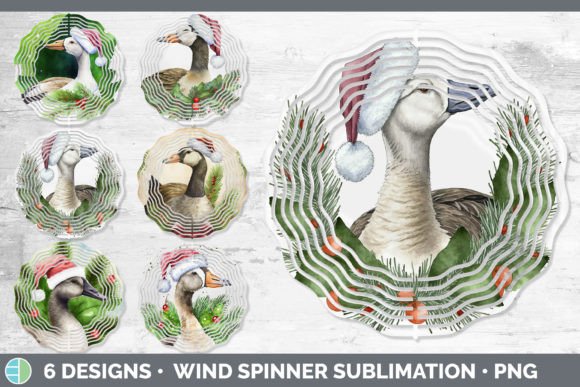
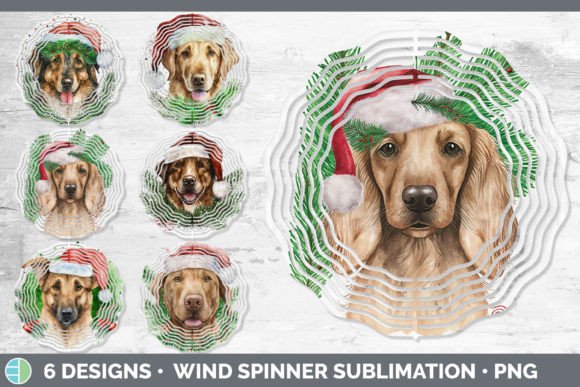
The moment I pulled up the preview for Christmas Dog Wind Spinner Sublimation, the mood was instantly clear. It captures that whimsical, slightly nostalgic feeling of holiday decor found in boutique gardens and cozy front porches. The layout suggests movement, mimicking the kinetic energy of a wind spinner, which is a bold choice for a static embroidered patch or garment. For an Etsy seller or craft business owner, this visual personality is gold. It speaks directly to dog lovers who want to celebrate their pets during the holidays without resorting to generic candy cane motifs.
However, translating a sublimation-ready illustration into thread is where the real work begins. The design relies on gradients and soft edges typical of high-quality Illustrations. In embroidery, we don't have pixels; we have satin stitch, fill stitch, and running stitch. If you are digitizing this yourself or hiring someone to do so, the challenge will be maintaining that "wind-blown" aesthetic without creating a stiff, heavy puckered mess. The shape is organic, which generally works well for decorative accents, but the level of detail needs careful management to avoid a cluttered finished product.
Real-World Application: From Concept to Custom Apparel
Let's talk about a specific scenario. Imagine a client comes to your small shop product line asking for a personalized holiday gift for their new puppy owner. They want something unique, not just a name on a collar. This is where Christmas Dog Wind Spinner Sublimation shines as a conceptual base. I can easily see this adapted into a charming embroidered patch sewn onto a canvas tote bag design or a festive apron for the holiday baking season.
For custom apparel, think about a crewneck sweatshirt. The whimsical nature of the dog motif fits perfectly on the chest or sleeve of a sweatshirt embroidery project. Because the theme is inherently festive, it serves as excellent holiday embroidery inventory that doesn't feel dated after December 25th if the color palette is kept classic rather than overly trendy. If you are selling printable mockup assets to other designers, showing this design on a textured knit fabric could significantly boost buyer engagement by demonstrating versatility.
I also considered this for home goods. A pillow cover or a kitchen tea towel featuring this motif would make a delightful hostess gift. The key here is scale. On a large blanket, the details of the wind spinner elements need to be substantial enough to stitch out cleanly. On a smaller item like a baby bib or baby embroidery project, simplification is non-negotiable. You cannot expect tiny thread colors to hold up on stretchy knit fabrics without significant modification to the original illustration.
Technical Considerations and Fabric Constraints
Here is the part where I have to be the bearer of bad news: not every surface is friendly to complex designs. If you plan to use Christmas Dog Wind Spinner Sublimation as a reference for embroidery, you must be wary of stitch density. Sublimation images can handle infinite detail; embroidery machines cannot. If the original artwork has fine lines representing the spinner blades or fur texture, these must be thickened or simplified.
Be extremely cautious when applying this to textured fabrics like waffle knits or heavy terrycloth. The fabric texture can swallow small details, making the dog's features indistinguishable. Similarly, dark fabrics present a challenge. Unless your digitizer plans for a robust underlay or you are using an applique design technique with light-colored fabric backing, the vibrancy of the original sublimation art will get lost. An applique approach might actually be the superior choice here, allowing you to cut fabric shapes for the dog and spinner elements, reducing stitch count while preserving the visual impact.
Curved surfaces like caps are another tricky area. The horizontal spread of a wind spinner design might distort awkwardly over the front panel of a hat. For commercial embroidery jobs involving hats, I would recommend isolating just the dog's head or a simplified icon from the larger composition rather than attempting the full scene.
Enhancing Brand Value and Customer Trust
Why does any of this matter? Because the quality of your handmade product directly influences customer trust. If you sell a personalized gift that looks muddy or feels stiff due to poor digitization of a complex image like Christmas Dog Wind Spinner Sublimation, you risk negative reviews. Conversely, a well-executed version of this design signals professionalism. It shows that you understand how to adapt art for the medium, which builds brand consistency.
For digital product sellers, offering this as a pre-digitized embroidery file requires transparency. You must specify the recommended hoop size and fabric types. Buyers appreciate honesty about limitations. If a design is best suited for a 5x7 hoop on woven cotton, say so. This clarity prevents frustration and returns, ultimately protecting your reputation as a reliable source for design assets.
Practical Notes for the Studio
Before you commit to stitching this out for a paying client, follow these practical steps:
- Test on Scrap First: Never run a new design on final fabric. Use a scrap piece of the exact material you intend to use to check for puckering.
- Check Thread Contrast: Ensure your chosen thread colors provide enough separation between the dog, the spinner elements, and the background.
- Review Stitch Density: If the design feels too heavy, ask your digitizer to reduce the fill density or increase the pull compensation.
- Confirm Hoop Size: Verify that the design fits your available hoops without needing excessive re-hooping, which can lead to alignment issues.
- Inspect Small Details: Zoom in on the digitized file. Are tiny text elements or fine lines actually stitchable, or will they break?
- Mockup in Black and White: Convert your preview to grayscale. If the design loses its definition without color, the contrast isn't strong enough for embroidery.
- Stabilizer Selection: Choose the right stabilizer. Cut-away is often safer for garments that will be washed frequently, while tear-away might suffice for decorative items.
- Licensing Check: Since this starts as a sublimation graphic, confirm the license terms. Does purchasing the illustration grant you the right to sell embroidered finished goods, or do you need an extended commercial license?
In conclusion, Christmas Dog Wind Spinner Sublimation offers a delightful starting point for holiday projects, but its success depends entirely on thoughtful adaptation. Whether you are creating a one-of-a-kind personalized gift or stocking your Etsy shop with festive goods, treat the design as a concept to be engineered for thread, not just a picture to be printed. With the right technical adjustments and realistic expectations regarding fabric and scale, this design can become a standout star in your winter collection.